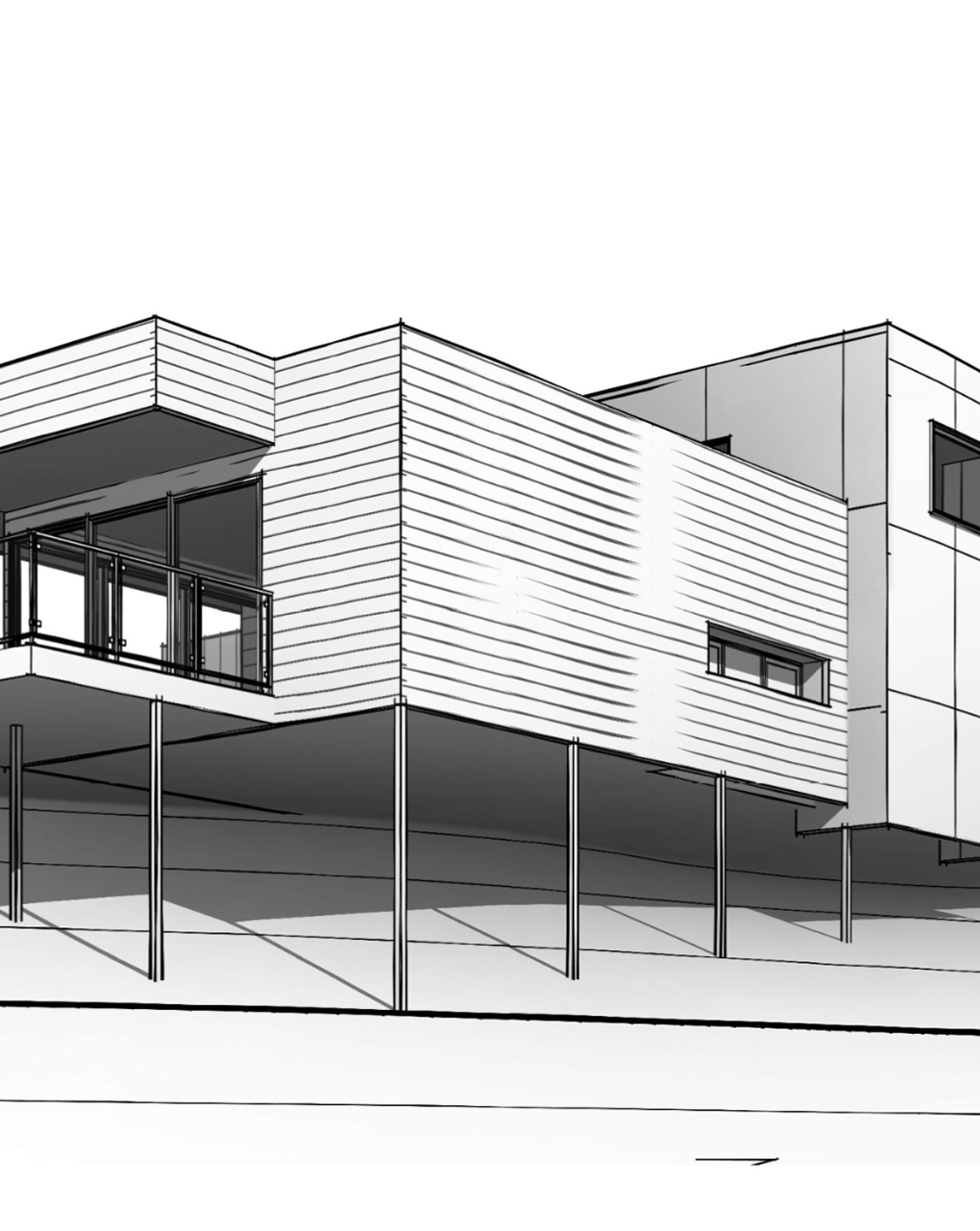
Ever wondered if your coastal home can really withstand a bushfire?
Living on the Mornington Peninsula, I get asked this question constantly. Bushfires aren’t exactly rare around here, and owning a home near the coast means I’ve had to carefully consider bushfire safety in my designs. After all, no one wants their dream home turning into a nightmare during fire season.
Understanding BAL Ratings
If you’re planning to build or renovate in a bushfire-prone area, you’ll definitely hear the term BAL rating thrown around. But what does it actually mean?
BAL stands for Bushfire Attack Level. Simply put, it’s a rating system used across Australia that assesses how much risk your property faces from bushfires. It’s based on factors like vegetation type, distance to bushland, and slope of the land. Ratings range from BAL-LOW (lowest risk) to BAL-FZ (Flame Zone-the highest risk).
Understanding your home’s BAL rating means you can take practical steps to protect your property without going overboard or breaking the bank. If you’re curious, here’s another article that explains BAL ratings in more detail.
Why BAL Ratings Matter for the Mornington Peninsula
The Peninsula isn’t just known for its stunning beaches and wineries-it also faces real bushfire risks, especially during hot, dry summers. I’ve seen plenty of homeowners overlook this when designing their homes, only to regret it later.
Here’s what you might not realise: higher BAL ratings can impact your home’s design requirements, material choices, and even insurance premiums. One homeowner mentioned to me recently that their insurance premium jumped significantly due to a high-risk rating-sometimes as much as tens of thousands of dollars a year. It’s a real issue, and being proactive makes a huge difference.
Designing with BAL Ratings in Mind
I’ve always believed that a home should be safe, practical, and attractive. But designing for bushfire safety doesn’t mean sacrificing aesthetics. In fact, there are heaps of ways to build a bushfire-resilient home without making it feel like you’re living in a bunker.
Firstly, choosing the right materials is crucial. Non-combustible materials like brick, concrete, and metal roofing can dramatically reduce your home’s vulnerability. Installing ember guards and flame-resistant window shutters can also significantly boost protection. I always recommend these basics to clients as a starting point. Here’s another article providing excellent guidance on bushfire materials.
Common Mistakes in Bushfire-Resilient Design
It’s surprising how many small oversights homeowners can make that lead to big problems down the track. I cover many of these mistakes in detail in another article about common custom home project mistakes.
For example, leaving gaps under doors or choosing flammable landscaping materials near your home can invite embers straight in. I always suggest clearing combustible vegetation at least 10 metres around your property and opting for fire-resistant landscaping materials like gravel, paving, or succulents.
Considerations When Building on the Peninsula
Every site is different, especially here on the Mornington Peninsula. You can’t just copy-and-paste someone else’s design-it simply doesn’t work. When building custom homes here, I emphasise three key considerations, which I’ve outlined clearly in my article about custom homes on the Peninsula.
These considerations include site orientation, local council regulations, and designing for sustainability. All of these influence how your home handles a bushfire. A home designed specifically for your location will always perform better than one that isn’t.
Real-Life Concerns About Bushfire Zones
It’s easy to underestimate how stressful building in a bushfire-prone zone can be. Insurance availability and affordability is a significant concern. Many homeowners I’ve spoken to admit they’ve underestimated how quickly premiums can rise after incidents elsewhere-even if their own property wasn’t directly affected. Personally, I’ve seen premiums spike dramatically due to increasing fire incidents elsewhere in Victoria.
I’ve also had discussions about how relying solely on emergency services isn’t enough. A home needs built-in resilience to be genuinely secure.
Balancing Beauty and Safety
Ultimately, your home needs to be a comfortable, enjoyable place to live. Building with bushfire safety in mind doesn’t have to limit your creativity. There are countless innovative designs that seamlessly blend fire safety with coastal charm.
I’ve helped many families create homes that not only stand strong against fires but also beautifully reflect their coastal lifestyle. Fire safety shouldn’t take away from your home’s appeal-it should add peace of mind.
Ready to Start Building a Safe, Stylish Coastal Home?
At Alternate Vision, my goal is to help you design and build a custom home that’s both resilient and beautiful. If you’re considering building on the Mornington Peninsula and want to chat more about how I can help, don’t hesitate to get in touch. I’d love to discuss your vision and make it a reality.