
Is a Double Storey Extension Right for Your Home in Mornington Peninsula?
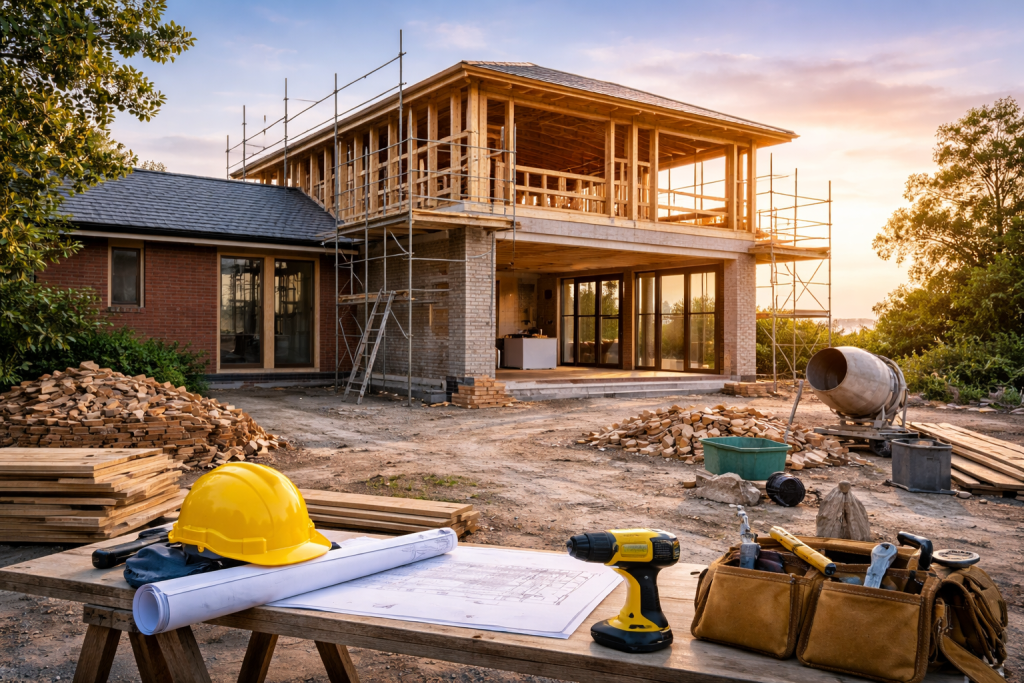
Many homeowners across Mornington Peninsula and Mount Eliza begin considering double storey house extensions when their current home no longer provides enough space. Instead of moving to a new property, adding a second level can create additional living areas while allowing families to stay in the neighbourhood they love. Before starting a major renovation, it’s important to determine whether a double storey extension is the right solution for your home. When a Double Storey Extension Makes Sense A second storey extension is often ideal when: In areas like Mount Eliza and the Mornington Peninsula, where outdoor space is valuable, building upward instead of outward is often a practical solution. Benefits of Building Up Instead of Out One of the biggest advantages of a double storey extension is that it increases living space without reducing your backyard. This can allow homeowners to: Well-designed double storey house extensions can significantly increase internal living space while maintaining the character and functionality of the original home. When a Ground Floor Extension May Be Better In some cases, a ground floor extension may be more suitable. This often depends on: Professional advice can help determine the best approach for each property. Is Your Home Suitable for a Second Storey? Every home is different, and factors such as structure, foundation, and layout all influence whether a second storey extension is possible. If you’re considering double storey house extensions in Mornington Peninsula or Mount Eliza, professional planning and design can help determine the best solution for your property. 👉 https://alternatevision.com.au/double-storey-house-extensions/
How Do Coastal Building Regulations Affect My New Home Build in Australia
Building your dream home along Australia’s stunning coastline comes with unique regulatory challenges that can make or break your project timeline and budget. Coastal building regulations Australia encompasses a complex web of federal standards, state-specific requirements, and local council overlays that directly influence everything from your foundation design to material choices. Understanding these regulations early in your planning process is crucial for avoiding costly redesigns, construction delays, and potential compliance issues. The regulatory landscape varies significantly between states like Victoria, New South Wales, Queensland, and South Australia, with each jurisdiction addressing coastal risks through different approaches to flood protection, corrosion resistance, and environmental preservation. Your coastal home build will need to navigate multiple regulatory layers while balancing aesthetic appeal with practical durability. The key is knowing which regulations apply to your specific location and how they translate into real-world construction decisions that affect both your immediate build and long-term maintenance costs. What Are the Primary Coastal Building Regulations You Need to Know Australian coastal building regulations stem from the National Construction Code (NCC) combined with state-specific planning frameworks designed to address the unique challenges of salt air, flood risk, and environmental protection. These regulations establish minimum standards that your build must meet while providing flexibility for design innovation within compliant parameters. Which Federal Standards Apply to All Coastal Builds The NCC forms the foundation of all coastal building requirements across Australia, with specific provisions for structures exposed to marine environments. Key federal requirements include designated corrosion protection levels based on your distance from breaking surf, structural design standards for wind loads, and accessibility compliance that must be maintained even when dealing with elevation requirements. Australian Standards, particularly AS 4997-2005 for maritime structures, provide detailed technical specifications for materials and construction methods in coastal environments. These standards address everything from concrete mix specifications to metal fastener requirements, ensuring your home can withstand decades of salt exposure without premature deterioration. How State Regulations Create Additional Requirements Each state adds layers of specific requirements that reflect local coastal conditions and planning priorities. South Australia’s Planning and Design Code mandates minimum building floor levels of 1.25 metres above standard sea flood risk levels, while also requiring specific infrastructure considerations for roads and parking areas. Queensland’s Coastal Protection and Management Regulation provides detailed frameworks for development approval processes, environmental impact assessments, and ongoing maintenance obligations. New South Wales coastal design guidelines emphasise integrated planning approaches that consider both immediate construction needs and long-term coastal management strategies. How Do Elevation and Flood Protection Requirements Affect Design Elevation requirements represent one of the most significant design impacts of coastal building regulations, often requiring creative architectural solutions to maintain aesthetic appeal while meeting mandatory minimum heights. These requirements can fundamentally alter your home’s relationship to the landscape and influence everything from entry design to outdoor living spaces. What Elevation Standards Must Your Home Meet Flood protection elevation standards typically require your lowest habitable floor level to sit well above historical high-water marks, with specific measurements varying by location and local flood mapping data. This often means raising your entire structure 1-3 metres above natural ground level, creating opportunities for under-house storage or parking while potentially complicating garden integration and street presentation. The calculation of required elevation considers multiple factors including storm surge predictions, rainfall intensity projections, and sea level rise modelling. Your design team must work with current flood studies and council requirements to determine exact elevation needs, which can change if new flood mapping becomes available during your planning process. Distance from Coast Typical Elevation Requirement Design Implications 0-100m from high tide 2.5-3.5m above ground Requires stilts or significant fill, impacts street appeal 100-500m from high tide 1.5-2.5m above ground Split-level design opportunities, elevated entries 500m+ from high tide 1.0-1.5m above ground Minimal impact, standard foundation approaches work How Elevation Requirements Influence Architectural Style Working with elevation requirements often pushes designs toward elevated living concepts that can actually enhance the coastal lifestyle experience. Raised floor levels create opportunities for expansive deck areas, improved ocean views, and natural cooling through increased airflow underneath the structure. The most successful coastal homes integrate elevation requirements into a cohesive design language that feels intentional rather than regulatory-driven. This often means embracing mid-century modern influences with clean lines, extensive use of natural materials like timber and concrete, and indoor-outdoor flow that takes advantage of the elevated position. What Corrosion Protection Measures Are Required Salt-laden coastal air creates an aggressive corrosion environment that demands specific material choices and protection strategies throughout your home’s structure and finishes. Understanding these requirements early prevents costly material substitutions during construction and ensures your home maintains its appearance and structural integrity over decades of coastal exposure. Which Materials Need Special Corrosion Protection All metal components require corrosion protection levels appropriate to their distance from breaking surf, with requirements becoming more stringent as you get closer to the water. This includes structural steel, roofing materials, gutters, window frames, door hardware, and even decorative elements like railings and outdoor furniture fixtures. The regulatory framework typically defines protection zones based on distance from the coastline, with the most aggressive requirements applying within 100 metres of breaking surf. In these high-exposure areas, you’ll need marine-grade materials, specialized coatings, and regular maintenance schedules to prevent premature failure. How Corrosion Requirements Affect Material Budgets Corrosion protection requirements can add 15-30% to material costs compared to inland construction, but this investment pays dividends in reduced maintenance and longer service life. The cost impact varies significantly based on your specific location, design complexity, and material choices. Budget planning should account for both initial material upgrades and ongoing maintenance requirements. While marine-grade materials cost more upfront, they often provide better long-term value through extended service life and reduced replacement frequency. How Do Environmental Regulations Impact Your Design Options Environmental protection requirements often represent the most complex aspect of coastal building regulations, involving multiple agencies and overlapping jurisdictions that can significantly influence your site planning, design approach, and construction methodology. What Environmental Assessments Are Required Most coastal
What Is Included in a Custom Home Building Contract
Building a custom home represents one of life’s most significant investments, both financially and emotionally. The custom home building contract serves as the roadmap that transforms your vision into a tangible reality. Unlike standard home purchases, custom builds require extensive documentation to capture every detail of your unique design. A comprehensive contract protects both you and your builder by establishing clear expectations, timelines, and responsibilities. It eliminates ambiguity about what will be delivered and ensures that your specific requirements are met. Without proper contract details, even the most well-intentioned projects can face disputes over specifications, costs, or timelines. This guide explores the essential elements that should appear in your custom home building contract, helping you understand what to expect and what questions to ask before signing. What Are the Core Components of a Custom Home Building Contract Every custom home building contract should contain fundamental elements that define the project scope, protect your interests, and establish clear working relationships. These components form the foundation of your agreement and determine how successfully your project unfolds. What Should Be Included in Project Specifications The project specifications section represents the heart of your contract. This detailed document should include every aspect of your home’s construction, from foundation to roofline. Comprehensive specifications prevent misunderstandings and ensure you receive exactly what you envision. Be particularly careful about tolerance levels written into your contract. Industry professionals suggest watching for specifications that allow builder tolerances exceeding standard manufacturer guidelines or Australian building standards. Vague tolerances can lead to workmanship disputes that become difficult to resolve. How Should Timeline and Milestones Be Structured A well-structured timeline and milestones protects both parties by establishing realistic expectations for project completion. Your contract should include specific milestone dates tied to key construction phases and payment schedules. Construction Phase Typical Duration Key Deliverables Site Preparation 2-4 weeks Excavation, utilities, foundation prep Foundation and Frame 4-6 weeks Concrete cure, framing completion Systems Installation 6-8 weeks Plumbing, electrical, HVAC rough-in Interior Finishing 8-12 weeks Drywall, flooring, fixtures, paint Final Inspections 1-2 weeks Building approvals, handover preparation Include provisions for weather delays and other circumstances beyond the builder’s control. However, ensure these extensions require written notification and documentation of the delay causes. What Financial Terms Should Your Contract Address The financial structure of your contract determines how costs are managed throughout the build process. Understanding different payment models and protection mechanisms helps you choose the approach that best suits your situation and risk tolerance. Which Payment Schedule Options Work Best Custom home contracts typically use one of several payment schedule options, each with distinct advantages and considerations. The right choice depends on your financial situation and comfort level with cost variables. Fixed price contracts provide cost certainty by establishing a total project price upfront. This approach works well when your design is completely finalized and you prefer predictable payments. However, any changes during construction typically result in additional charges through change orders. Cost-plus contracts involve paying actual construction costs plus a predetermined builder fee. This model offers transparency into material and labor expenses but requires more active cost monitoring. The builder fee might be structured as a fixed amount or percentage of total costs. Progressive payment schedules should align with construction milestones rather than calendar dates. This approach ensures you only pay for completed work and maintains leverage if issues arise. Typical payment percentages range from 10-15% for each major milestone, with final payment held until project completion and final inspections. What Protection Mechanisms Should Be Included Your contract should include several financial protections that safeguard your investment throughout the construction process. These mechanisms provide recourse if problems develop and ensure quality workmanship. Ensure your contract specifies exactly what insurance coverage the builder must maintain and requires proof of current policies. This protection extends to both property damage and personal injury claims that might arise during construction. How Should Design Changes and Modifications Be Handled Even the most carefully planned custom homes often require adjustments during construction. Your contract should establish clear procedures for managing design changes and modifications while protecting both cost and timeline expectations. What Change Order Procedures Work Most Effectively A robust change order process prevents misunderstandings and cost disputes when modifications become necessary. This system should balance flexibility for reasonable adjustments with protection against scope creep. All changes must be documented in writing before implementation. Verbal agreements, regardless of how minor they seem, can lead to significant disputes later. The change order should specify the modification, cost impact, timeline adjustment, and approval from both parties. Establish upfront how change order pricing will be calculated. Some builders use markup percentages on materials and labor, while others charge time and materials rates. Understanding this structure helps you evaluate whether proposed changes represent fair value. When Should Design Decisions Be Finalized The timing of design finalization significantly impacts both cost and construction efficiency. Experienced builders recommend completing most selections before contract signing to avoid delays and additional charges. Critical decisions that affect structural elements, electrical planning, and plumbing layouts should be locked in early. These systems require coordination with multiple trades, and late changes often trigger expensive rework across several construction phases. Allow reasonable timeframes for finish selections such as paint colors, cabinet hardware, and light fixtures. These choices typically don’t affect structural work but should still be finalized before the relevant construction phase begins. What Quality and Compliance Standards Should Be Specified Quality standards and building compliance form the technical backbone of your contract. These specifications ensure your home meets safety requirements, performs as expected, and provides long-term durability. Which Building Standards and Codes Apply Your contract should explicitly reference applicable building codes and standards that govern construction in your area. This documentation ensures compliance and provides clear benchmarks for acceptable workmanship. Australian building standards cover structural integrity, energy efficiency, accessibility, and safety systems. Your builder should demonstrate familiarity with current National Construction Code requirements and local council variations that might apply to your project. Include provisions for required inspections and approvals
Can I Make Changes to My Custom Home Design During Construction
Building your dream home is an exciting journey, but what happens when you realize you want to make changes to your custom home design once construction has already begun? Whether it’s adding a window, adjusting room layouts, or upgrading finishes, design changes during construction are more common than you might think. The reality is that design changes during construction can be managed successfully with the right approach and understanding. While modifications after work has started do introduce complexity, they’re not impossible when handled through proper channels with experienced builders who understand the intricacies of custom home construction. Understanding your rights, the practical limitations, and the best strategies for managing changes will help you navigate this process confidently while protecting both your vision and your budget. What Types of Design Changes Are Possible During Construction Not all design changes are created equal when it comes to implementation during active construction. The feasibility and cost of modifications depend heavily on the construction phase, structural requirements, and complexity of the requested change. Which Changes Are Typically Manageable Certain modifications can be accommodated relatively smoothly during construction, particularly in the earlier phases. These include: What Structural Changes Require Careful Consideration More significant modifications demand thorough planning and may impact project timelines and budgets substantially. Structural changes during construction require special timing and consideration. These include: The key factor in determining feasibility is timing. Interior finishes and non-structural changes requested before the relevant construction phase begins are typically more manageable than those requiring rework of completed elements. How Do Design Ownership and Copyright Affect Construction Changes Understanding who owns your design plans is crucial when considering modifications during construction, as design ownership and copyright affects your ability to make changes and work with different professionals if needed. Who Typically Owns the Design Rights In most cases, designers or draftspeople retain copyright ownership of architectural plans, even when clients have provided significant input into the design process. This intellectual property protection means that the original designer maintains control over how the plans are used, modified, or distributed. However, paying for design work generally grants an implied license to use the plans for construction of your home. This means you can legally proceed with building from the plans, even without owning the copyright to the actual drawings. What Happens When No Formal Agreement Exists Without a formal contract outlining design ownership and usage rights, the situation becomes more complex. Copyright law typically favors the drafter as the plan owner, regardless of how much design input the client provided during the development process. This ambiguity can create challenges when you want to make changes during construction, particularly if you need to work with different professionals or transfer files to your builder’s team. The absence of clear agreements about modification rights can lead to delays and additional costs. Scenario Your Rights Recommended Action Plans with formal agreement Defined by contract terms Review agreement for modification clauses Plans without formal agreement Implied license to build Negotiate copyright transfer if needed Need file transfers for changes May require designer permission Request PDF and DWG files directly What Are the Practical Steps for Making Construction Changes Successfully implementing design changes during construction requires a systematic approach that prioritizes clear communication, proper documentation, and realistic timeline management. How to Initiate Change Requests Effectively The change process typically begins with a detailed discussion with your builder about the specific modifications you’re considering. This initial conversation should cover the scope of the change, potential impacts on other building elements, and preliminary timeline considerations. Your builder will need to assess how the proposed change affects ongoing work, whether any completed work needs to be modified or removed, and what additional materials or labor may be required. This assessment forms the foundation for determining feasibility and cost implications. Why Documentation and Communication Are Essential Proper documentation protects both you and your builder by creating a clear record of what was agreed upon, when changes were approved, and how they affect the overall project scope. This documentation becomes particularly important if questions arise later about the change or its implementation. Effective communication extends beyond just you and your builder. The entire construction team needs to understand how changes affect their specific trades and timing. This coordination helps prevent conflicts between different aspects of the work and ensures changes are implemented consistently throughout the build. What Should You Expect Regarding Costs and Timelines Design changes during construction typically involve both direct costs for additional materials and labor, plus indirect impacts on project scheduling and coordination. Understanding change order costs and timeline impacts helps you make informed decisions about which changes are worth pursuing. How Are Change Order Costs Typically Calculated Most builders calculate change order costs using a combination of material costs, labor time, and project management overhead. The pricing often reflects not just the direct cost of the new work, but also any disruption to planned sequences or efficiency losses from modifying completed elements. Changes that require undoing completed work tend to be particularly costly, as you may pay for both the original work and its removal, plus the new installation. This is why timing plays such a crucial role in managing change order expenses. What Timeline Impacts Should You Plan For Timeline extensions from design changes depend on several factors, including the complexity of the modification, whether it affects critical path activities, and how much coordination is required with different trades. Simple changes like fixture upgrades may add minimal time, while structural modifications could extend your project by several weeks. The timing of when you request changes also affects delays – modifications requested early in construction typically have less impact than those requested near completion. How Can You Minimize Risks and Maximize Success While design changes during construction introduce inherent risks to project scope, schedule, and budget, strategic planning and risk management approaches can help you navigate these challenges effectively. What Strategies Help Manage Change-Related Risks Proactive risk management and contingency planning starts with understanding that
What Questions Should I Ask During My First Builder Consultation
Walking into your first meeting with a custom home builder can feel overwhelming, especially when you’re not sure what to ask or what to expect. This initial consultation is your opportunity to evaluate whether a builder understands your vision, works within your budget, and can deliver the quality and collaboration you’re seeking. A well-prepared first meeting with a custom home builder goes beyond browsing portfolios and discussing square footage. It’s about understanding how they work, what their process looks like, and whether their approach aligns with your expectations for this major investment. The questions you ask during this consultation will help you make an informed decision and set realistic expectations for your custom home journey. Smart preparation for this meeting involves understanding your own priorities first, then using targeted questions to assess the builder’s capabilities, communication style, and overall fit for your project. How Should You Prepare Before Meeting With Your Builder Before you step into that first consultation, laying the groundwork yourself will make the meeting far more productive and informative. The most successful client-builder relationships start with homeowners who have done their homework and arrive with clear expectations. What Budget Planning Should You Complete First Understanding your borrowing capacity should be your very first step, even before contacting builders. Visit your bank or mortgage broker to establish a realistic maximum budget, then work backwards from that figure. Experienced builders recommend reducing your approved amount by 15-20% to account for unexpected costs, change orders, and the reality that custom builds often exceed initial estimates. This conservative approach prevents you from overcommitting early in the process and ensures you can handle surprises without compromising the project’s completion. Your builder will appreciate working with someone who has realistic financial boundaries rather than someone hoping to stretch their budget to the breaking point. How Can Visiting Display Homes Help Your Consultation Spending time in display homes and at open houses builds critical awareness of costs, layouts, and material choices that will make your builder consultation much more productive. You’ll develop preferences for ceiling heights, room flow, window placement, and finish levels that you can articulate clearly during your meeting. Create a collection of images, notes, and ideas from these visits. This preparation helps your builder understand your aesthetic preferences and quality expectations, leading to more accurate initial discussions about scope and budget. What Questions About Budget And Pricing Should You Ask Budget discussions during your first consultation should go well beyond a simple price-per-square-meter estimate. Understanding how your builder approaches pricing, handles changes, and manages cost escalations will protect you from surprises later. How Does The Builder Structure Their Pricing Ask your builder to explain their pricing model in detail. Some work with fixed-price contracts, others use cost-plus arrangements, and many offer variations of these approaches. Understanding whether your quote includes site costs, council fees, landscaping, and appliances prevents miscommunication about what’s actually covered. Request a breakdown of what constitutes “standard inclusions” versus upgrades. Many builders have base specifications that might not meet your expectations, leading to significant additional costs for items you assumed were included. What Happens When Changes Are Requested Change orders are common in custom builds, so understanding your builder’s process for handling modifications is crucial. Ask about their policy for pricing variations, how quickly they can provide quotes for changes, and whether there are minimum charges for adjustments. Change Type Typical Impact Questions To Ask Material Upgrades Cost increase How do you price upgrades? Is there a standard markup? Layout Modifications Cost and timeline What’s your process for structural changes during construction? Added Features Variable impact Can you provide preliminary costs for common additions? What Design Process Questions Will Reveal Their Approach Understanding how your builder approaches design collaboration will tell you whether they’re truly focused on creating your vision or simply executing their standard process with minor modifications. Who Handles The Design Work Many builders work with in-house designers, while others collaborate with external architects or drafters. Ask who will be responsible for creating your plans and what their qualifications and experience include. For most custom homes, a skilled draftsperson familiar with local council requirements can deliver excellent results at a more reasonable cost than a full architect. Understand that engaging an architect typically makes sense for very high-end builds or unique design challenges, but for many custom homes, an experienced draftsperson who understands building codes and practical construction will serve your needs well while keeping costs manageable. How Do They Handle Client Input During Design Ask specific questions about how they incorporate your feedback and preferences throughout the design phase. The best builders encourage client involvement and have structured processes for reviewing and refining plans before construction begins. Which Timeline And Project Management Questions Matter Most Understanding your builder’s approach to project management and realistic timelines helps set appropriate expectations and reveals how organized and professional their operation is. What Does Their Typical Construction Timeline Look Like Ask for a realistic timeline from contract signing to completion, including major milestones like foundation pour, frame completion, and final inspections. Experienced builders can provide reasonably accurate timeframes based on your project’s scope and complexity. Be wary of builders who promise unusually fast completion times or seem reluctant to commit to any timeline. Quality construction takes time, and builders who rush the process often compromise on craftsmanship or attention to detail. How Do They Communicate Progress And Handle Issues Regular communication throughout your build prevents misunderstandings and helps you feel confident about the project’s progress. Ask about their standard communication protocols, how often you’ll receive updates, and their process for addressing concerns or unexpected challenges. What Questions About Experience And Credentials Should You Include Assessing your builder’s qualifications, experience, and business stability protects your investment and increases the likelihood of a successful project outcome. How Long Have They Been In Business Ask about the company’s history, including how long they’ve been operating and how many custom homes they complete annually. Builders who have weathered economic cycles and maintained
How Do I Finance a Custom Home Build in Australia
What Makes Custom Home Construction Loans Australia Different From Regular Mortgages Financing a custom home construction loans Australia involves a specialised type of lending that differs significantly from traditional home mortgages. Unlike purchasing an existing property where you receive the full loan amount upfront, construction loans are designed to align with the building process itself. The key difference lies in how funds are released and interest is calculated. Rather than receiving a lump sum, your lender provides money in stages as construction progresses, which means you only pay interest on the amount that has been drawn down. This structure helps manage your financial commitments during what can be an extended building period. For custom home builders, this staged approach offers several advantages. It reduces the immediate financial burden, provides better cash flow management, and ensures that funds are only released when specific construction milestones are achieved. This creates a built-in quality control mechanism that benefits both you and your lender. How Interest Calculations Work During Construction During the construction phase, most lenders structure repayments as interest-only on the drawn balance. This means if your total loan is $500,000 but only $100,000 has been released for the foundation and framing, you only pay interest on that $100,000 portion. This approach recognises that you may still be paying rent elsewhere or managing other housing costs while your custom home is being built. Once construction is complete and you move in, the loan typically converts to a standard principal and interest mortgage. What Are the Key Stages of Construction Loan Progress Payments Understanding the progress payment structure is crucial for planning your custom home build financing. Most lenders and builders work with a standardised set of construction milestones that trigger fund releases. Which Construction Milestones Trigger Payment Releases The typical progress payment schedule includes these major stages: Each stage typically represents a percentage of the total build cost, with payments ranging from 15% to 25% of the contract value. Your builder submits a request to the lender when each milestone is reached, often accompanied by photographs or an inspection report. How Bank Inspections and Documentation Work Before releasing funds at each stage, most lenders conduct their own inspection or require detailed documentation from your builder. This process ensures that work has been completed to the required standard and that the payment request aligns with the actual progress on site. The inspection process typically takes 1-3 business days, so it’s important to factor this timing into your builder’s payment schedule. Some lenders offer faster processing for additional fees, which can be valuable if your build timeline is particularly tight. How Much Do I Need to Contribute Upfront for a Custom Home Build Most construction loan agreements require borrowers to contribute a portion of the build costs before the lender begins releasing funds. This upfront contribution serves as both a deposit and a demonstration of your financial commitment to the project. What Are Typical Deposit Requirements The minimum contribution varies between lenders but generally falls within these ranges: This contribution often covers initial costs such as site preparation, permits, and the first stage of construction before the first progress payment is released. Some lenders allow you to use equity from land you already own as part of this contribution. Should I Budget for Additional Funds Beyond the Minimum Financial experts recommend having additional funds beyond your minimum contribution for several practical reasons. Construction projects often involve unexpected costs, and having a financial buffer helps avoid delays or the need for additional borrowing. Consider budgeting for these potential additional expenses: Many borrowers find that having an extra 10-15% of the build cost available provides peace of mind and flexibility during construction. How Do I Align My Loan Agreement with My Builder’s Payment Schedule One of the most critical aspects of construction financing is ensuring your loan agreement aligns properly with your builder’s progress payment schedule. Misalignment can cause delays, additional costs, or financing complications during the build. What Should I Discuss with My Builder Before Finalising Loans Before committing to either a builder contract or loan agreement, have detailed discussions about payment timing and milestones. Your builder’s contract should specify exactly what work must be completed before each payment request, and these milestones should match your lender’s requirements. Key areas to clarify include: How Can I Avoid Payment Timing Issues Payment timing problems often arise when builders expect immediate payment upon milestone completion, but lender inspections and processing create delays. Discuss these potential delays upfront and build appropriate buffers into your construction timeline. Some builders offer payment terms that accommodate lender processing times, while others may require you to bridge any gaps. Understanding these expectations early helps avoid conflicts during construction. What Happens to Surplus Funds During and After Construction If your construction loan approval exceeds your actual build costs, or if you want to access funds for additional features not included in the original contract, most lenders have procedures for accessing these surplus amounts. Can I Use Extra Loan Funds for Home Improvements Many borrowers plan to use surplus loan funds for items such as landscaping, window treatments, air conditioning, or other finishing touches not included in the base building contract. Lenders typically allow access to these funds, but require proper documentation such as invoices or quotes. Common uses for surplus construction loan funds include: Access to surplus funds usually requires submitting invoices or detailed quotes to your lender, similar to the progress payment process during construction. When Can I Access Remaining Loan Funds Most lenders release surplus funds either at completion or in stages during construction, depending on your specific agreement. Some allow you to submit additional invoices during the build, while others hold all surplus until final completion and settlement. Planning for when you can access these funds helps coordinate trades and ensures additional work can be completed in the most logical sequence. For example, landscaping typically occurs after construction completion, so accessing funds at settlement works well for these purposes. What
What Are the Hidden Costs When Building a Custom Home
When you first receive a builder’s quote for your dream custom home, that figure represents just the beginning of your financial journey. The excitement of seeing your vision take shape can quickly turn to budget stress when seemingly minor decisions and overlooked necessities start adding substantial costs to your project. Hidden costs in custom home building are expenses that don’t appear in initial quotes but become unavoidable as construction progresses. These range from site preparation surprises to finishing touches that complete your home but weren’t factored into your original budget planning. Understanding where these costs typically emerge helps you plan more accurately and avoid the financial shock that catches many custom home builders off guard. The difference between a smooth building experience and a stressful one often comes down to how well you prepare for expenses that aren’t immediately obvious. What Makes Upgrades and Selections So Expensive The most significant budget blowouts occur during the selections process, where base specifications get upgraded to match your lifestyle and aesthetic preferences. What appears as modest improvements on paper can dramatically increase your final costs. How Small Upgrades Add Up Quickly Cabinet hardware, drawer profiles, tile selections, and additional powerpoints might seem like minor details, but these choices accumulate rapidly. A drawer upgrade here, premium tiles there, and extra electrical outlets throughout the home can easily add tens of thousands to your build cost. The challenge lies in how these decisions are presented. Each individual upgrade might only cost a few hundred or thousand dollars, making them seem reasonable in isolation. However, when you’re making dozens of these decisions across every room and system in your home, the cumulative impact becomes substantial. Kitchen and bathroom selections represent particular areas where costs escalate quickly. Premium tapware, stone benchtops, and quality cabinetry can transform these spaces but often double the allowances included in base quotes. Why Base Specifications Rarely Match Expectations Most custom home quotes include basic specifications that meet minimum standards but don’t necessarily align with the quality or style you envision. Base flooring might be basic carpet and vinyl, while you picture timber or quality tiles throughout. Standard fixtures might be builder-grade when you prefer contemporary designs. This gap between base specifications and your actual preferences creates an inevitable upgrade path that can add significant costs to your project. Understanding this early allows you to budget more realistically from the beginning. Category Base Allowance Realistic Upgrade Cost Impact Kitchen $15,000-20,000 $30,000-50,000 High Flooring $8,000-12,000 $20,000-35,000 High Bathroom fixtures $5,000-8,000 $12,000-20,000 Medium Electrical and lighting $3,000-5,000 $8,000-15,000 Medium What External Work and Landscaping Really Costs Most building contracts focus on the house structure itself, leaving essential external works as separate expenses that homeowners must budget for independently. These post-handover costs often shock new home builders who assumed their quoted price covered a complete, liveable property. Why Driveways and Fencing Exceed Expectations A quality driveway for a typical residential block can easily cost $15,000-25,000, depending on materials and access requirements. When you add fencing around the perimeter, you’re looking at another $20,000-40,000 for a standard suburban block. Fencing costs vary dramatically based on materials and boundary lengths, but even basic options require significant investment. Premium materials like timber or steel can push fencing costs well beyond initial estimates, especially when council requirements mandate specific styles or heights. Landscaping expenses represent another major cost category that’s rarely included in building contracts. Even basic lawn establishment, garden beds, and essential plantings can cost $30,000-50,000, while more elaborate landscape designs easily exceed these figures. How Site Access Affects External Costs Narrow blocks or challenging access can significantly increase external work costs. Machinery access, material delivery constraints, and working space limitations all impact pricing for driveways, landscaping, and utility connections. These site-specific factors are difficult to assess accurately until construction begins, making them a common source of budget surprises. Properties with significant slopes, tight access, or existing vegetation removal needs often face additional costs that weren’t apparent during initial planning. What Site Conditions Can Do to Your Budget Underground surprises represent some of the most stressful hidden costs because they typically can’t be avoided once discovered. Site excavation can reveal conditions that weren’t apparent during initial assessments, leading to substantial unplanned expenses. How Rock and Soil Conditions Impact Costs Rock excavation costs significantly more than standard soil removal and can add $10,000-20,000 or more to your project when extensive rock breaking or removal becomes necessary. Similarly, poor soil conditions might require additional foundation work or soil stabilisation measures. Stormwater drainage issues present another common challenge. Existing drainage easements might be blocked or unsuitable, requiring new drainage solutions that can cost $20,000-40,000 to implement properly. These geological surprises highlight why thorough site preparation costs investigations before construction begins can save substantial costs later. Professional soil tests and surveys might seem like an unnecessary expense upfront but often prevent much larger problems during construction. Why Utility Connections Cost More Than Expected Connecting electricity, gas, water, and sewer services to your new home often involves costs beyond basic connection fees. Underground power installation, meter upgrades, or extending services to your property boundary can add thousands to your project. Existing utility infrastructure might need upgrading to handle modern electrical loads or comply with current regulations. These requirements often become apparent only when formal applications are submitted, making them difficult to budget for accurately during initial planning. What Demolition and Knockdown Rebuild Projects Hide Knockdown rebuild projects face unique hidden costs that new home builders on vacant land can avoid. These expenses occur early in the project timeline but often aren’t included in building quotes, creating immediate budget pressure. How Demolition Uncovers Unexpected Expenses Asbestos discovery during demolition requires specialist removal services that can add $5,000-10,000 or more to your project. Older homes might contain asbestos in unexpected locations, making this cost difficult to predict accurately beforehand. Underground services like old septic systems, oil tanks, or abandoned utilities might need special removal procedures that weren’t apparent from surface inspections. These discoveries often delay
Do Custom Homes Have Better Resale Value Than Standard Homes
When you’re considering building a custom home, one of the most important questions to weigh is whether your investment will pay off when it comes time to sell. Custom home resale value is a complex topic that goes beyond the simple equation of higher build costs equaling higher sale prices. The reality is more nuanced than many builders and homeowners initially expect. While custom homes can offer better resale value than standard homes, they often incorporate superior materials, thoughtful design, and premium finishes. However, the relationship between these features and resale value depends on several critical factors including location, market conditions, and how well your custom choices align with buyer preferences. Understanding these dynamics before you start building can help you make informed decisions that protect your investment while still creating the home of your dreams. What Factors Determine Custom Home Resale Value The resale value of any home, custom or standard, comes down to what buyers in your local market are willing to pay. For custom homes, this equation becomes more complex because you’re often dealing with unique features and premium finishes that may not have direct comparisons. How Location Influences Custom Home Value Location remains the primary driver of property value, regardless of whether your home is custom-built or standard. A well-designed custom home in a sought-after area with strong buyer demand will typically maintain its value better than even the most beautifully crafted home in a declining market. Prestige suburbs and areas known for architectural significance tend to be more receptive to custom homes. In these markets, buyers often expect unique features and are willing to pay a premium for quality craftsmanship and distinctive design elements. However, in more price-sensitive markets, the additional investment in custom features may not translate directly to resale value. The key is understanding your local market dynamics before making significant customization decisions. What Role Do Materials and Craftsmanship Play High-quality materials and superior craftsmanship can indeed contribute to better resale value, but the impact varies significantly based on buyer awareness and market conditions. Buyers who understand construction quality will recognize and value premium materials, skilled joinery, and attention to detail. The durability factor also comes into play. Custom homes built with quality materials often age better than standard homes, maintaining their appeal over time. This can be particularly valuable in markets where buyers are looking for move-in-ready properties that won’t require immediate renovations. How Do Valuations Work For Custom Homes One of the biggest challenges custom home owners face is dealing with conservative valuations, particularly when seeking financing or refinancing. Understanding how valuers assess custom properties can help you make strategic decisions throughout the building process. Why Valuers Take a Conservative Approach Valuers take a conservative approach and are required to provide realistic market assessments based on actual sales data and comparable properties. When your custom home includes features that exceed local market norms, valuers often struggle to find appropriate comparisons, leading them to adopt a more conservative stance. This conservative approach protects lenders from overvaluing properties, but it can create challenges for homeowners who have invested significantly in custom features. The valuation may come in lower than the total of your land cost plus build contract, particularly if your specifications are well above the local standard. Recent comparable sales in your area carry more weight than your build contract price. If similar homes in your neighborhood have sold for significantly less than your total investment, the valuer will likely adjust downward to reflect realistic market expectations. What Strategies Can Minimize Valuation Risk Getting an upfront valuation through a mortgage broker can help identify potential issues before they become problems. This proactive approach gives you time to adjust your plans or secure appropriate financing if the projected valuation falls short of your expectations. Fixed-price build contracts tend to receive more favorable treatment from valuers compared to cost-plus arrangements. The certainty of a fixed price makes it easier for valuers to assess the relationship between cost and value. Valuation Factor Impact on Custom Homes Mitigation Strategy Comparable Sales Limited similar properties can lead to conservative valuations Research recent sales before finalizing specifications Over-capitalization High-end finishes may not add equivalent value Focus on features valued in your specific market Contract Structure Cost-plus contracts receive more scrutiny Use fixed-price contracts where possible Lender Policies Different lenders have varying approaches Shop around for lenders experienced with custom builds What Are The Key Advantages Of Custom Homes Despite the valuation challenges, custom homes offer several advantages that can translate to better resale value when planned and executed thoughtfully. How Uniqueness Creates Market Appeal A well-designed custom home stands out in the market, often attracting buyers who are looking for something special rather than a standard cookie-cutter property. This uniqueness can be particularly valuable when competing against numerous similar homes in developments. The key is ensuring your unique features appeal to a broad range of potential buyers rather than reflecting highly personal tastes that might limit market appeal. Thoughtful customization that enhances functionality and livability tends to have broader appeal than purely aesthetic choices. What Long-Term Benefits Do Custom Homes Offer Custom homes often age better than standard homes because they’re built with higher quality materials and more attention to detail. This can translate to lower maintenance costs and better condition when it comes time to sell. The ability to incorporate energy-efficient systems and modern technology from the ground up can also provide long-term value. As energy costs rise and environmental consciousness grows, these features become increasingly attractive to buyers. What Risks Should You Consider While custom homes can offer excellent resale value, there are important risks to consider before committing to the additional investment. How Over-Capitalization Affects Returns Over-capitalization is a significant risk that occurs when your total investment in land and construction exceeds what buyers in your area are willing to pay. This is one of the most significant risks with custom homes, particularly in markets where there’s a clear ceiling on property values. The
What Energy Efficiency Features Should I Include in My New Home
Why Energy Efficiency Matters More Than You Might Think When planning your new home, energy efficient home features deserve serious consideration even though many Australian homebuyers currently focus primarily on location and visual appeal. While poor energy ratings may not dramatically impact resale value in today’s market, the long-term benefits of incorporating smart efficiency features from the start far outweigh the initial investment. Energy efficiency affects your daily comfort, monthly utility bills, and the home’s environmental footprint. More importantly, upcoming government measures may mandate energy rating disclosures or minimum standards, making efficient homes increasingly valuable over time. Building these features into your new home now positions you ahead of future requirements while ensuring immediate comfort and cost savings. The key lies in understanding which features provide the best return on investment and how they work together to create a truly efficient home. Rather than retrofitting later, incorporating energy efficiency during the design and construction phase allows for seamless integration and optimal performance. What Building Orientation and Design Features Make the Biggest Impact How Does House Orientation Affect Energy Performance Proper house orientation forms the foundation of energy efficient design. In Australia’s climate, positioning living areas to face north maximizes winter sun exposure while minimizing harsh summer heat. This passive solar approach can dramatically reduce heating and cooling needs without any additional technology or ongoing costs. Strategic placement of windows, outdoor living spaces, and service areas like laundries should align with your site’s sun patterns and prevailing breezes. East-facing windows capture gentle morning light, while west-facing openings require careful consideration due to intense afternoon heat exposure. Which Window and Door Selections Improve Efficiency Window size, placement, and quality significantly influence your home’s energy performance. While larger windows create beautiful connections to outdoor spaces, appropriately sized openings matched to room function and orientation prevent excessive heat gain or loss. Window treatments such as external blinds, awnings, or strategically planted vegetation can further control heat gain during summer months while allowing winter sun penetration. What Insulation and Sealing Options Work Best How Much Insulation Do You Actually Need Comprehensive insulation represents one of the most cost-effective energy efficiency investments. Unlike appliances that eventually need replacement, quality insulation continues performing for decades with minimal maintenance. Australian building codes specify minimum insulation requirements, but exceeding these standards often provides excellent value. Consider insulation for ceiling spaces, wall cavities, and floor areas, with particular attention to thermal bridges where materials conduct heat between indoor and outdoor environments. Insulation Location Typical R-Value Upgrade Benefit Installation Timing Ceiling/Roof R3.5-R6.0 High During construction Wall Cavities R1.5-R2.5 Medium Framing stage Floor Systems R1.5-R2.0 Medium Before flooring Perimeter Slabs R1.0-R1.5 Low Foundation stage Why Air Sealing Matters As Much As Insulation Even excellent insulation loses effectiveness if air can move freely through gaps and cracks. Proper air sealing around windows, doors, electrical outlets, and structural joints prevents conditioned air from escaping and outside air from infiltrating. Focus areas for air sealing include penetrations where plumbing, electrical, or ducting passes through walls or ceilings, corners where different building materials meet, and moveable components like doors and operable windows. Which Heating and Cooling Systems Maximize Efficiency What HVAC Options Suit Australian Conditions Selecting appropriate heating and cooling systems depends on your local climate, home size, and usage patterns. Modern systems offer significantly better efficiency than older alternatives, with smart controls allowing precise temperature management. Consider systems with high energy star ratings and variable speed compressors that adjust output to match heating or cooling demands rather than cycling on and off repeatedly. How Do Smart Controls Improve System Performance Programmable thermostats and smart home integration help optimize HVAC performance by adjusting temperature settings based on occupancy patterns and weather conditions. These systems can pre-cool homes before hot afternoons or warm spaces just before family members wake up. Zoning systems allow different areas to maintain different temperatures, preventing energy waste in unused rooms while ensuring comfort in occupied spaces. What Appliance and Lighting Choices Support Efficiency Goals Which Appliances Provide the Best Energy Performance Energy-efficient appliances reduce ongoing electricity consumption while often providing better performance than standard models. Look for high energy star ratings when selecting major appliances such as refrigerators, washing machines, dishwashers, and cooking equipment. Induction cooktops offer precise temperature control while using less energy than conventional electric or gas alternatives. Efficient refrigerators with appropriate sizing for your household needs prevent energy waste from oversized units running partially empty. How Does LED Lighting Compare to Other Options LED lighting uses dramatically less electricity than incandescent or halogen alternatives while providing better light quality and longer lifespan. The initial cost premium pays back quickly through reduced electricity bills and replacement costs. Consider dimmable LED fixtures, natural light sensors, and motion-activated lighting for areas like pantries, wardrobes, and outdoor spaces where lights often get left on unnecessarily. How Do Solar and Renewable Energy Options Work What Solar System Size Makes Sense for Your Home Solar power systems can significantly reduce or eliminate electricity bills while adding value to your property. System sizing should match your household’s energy consumption patterns and roof space availability. Battery storage systems allow you to use solar energy during evening hours when electricity rates are typically higher. While batteries increase upfront costs, they provide backup power during outages and maximize the value of your solar generation. Are There Other Renewable Energy Options to Consider While solar represents the most common renewable energy option for residential properties, other technologies may suit specific situations. Solar hot water systems can supplement electric or gas hot water heating, while small wind systems work in consistently windy locations. Heat pump hot water systems, while not technically renewable, use significantly less electricity than conventional electric units by extracting heat from ambient air rather than generating heat directly. What Common Mistakes Should You Avoid Why Some Energy Features Provide Limited Value Not all energy-efficiency features offer equal returns on investment. Some popular options may provide minimal benefits relative to their cost, while others require specific conditions to
How Do I Choose the Right Block of Land for My Custom Home
Building a custom home starts with one fundamental decision that will shape every aspect of your future living experience – selecting the perfect block of land. Unlike buying an existing home where the relationship between house and site is already established, choosing land for custom home construction gives you the opportunity to create a truly harmonious design that works with the natural environment. The land you select becomes the canvas for your custom home vision. Every element of your future home – from the position of windows to capture morning light, to the orientation of outdoor living areas, to the placement of your driveway – will be influenced by the characteristics of your chosen block. Getting this foundation right from the start ensures your custom home can be designed to maximise comfort, functionality, and long-term satisfaction. Many homeowners underestimate how significantly land characteristics affect both the design process and the final outcome of their custom build. The difference between a well-chosen block and a poor match can mean the difference between a home that feels perfectly suited to your lifestyle and one that requires ongoing compromises in daily living. Why Should You Choose Land Before Finalising Your Home Design The most successful custom home projects start with securing the right block of land before committing to a specific house design. This approach allows your home to be designed around the unique advantages of your site rather than trying to force a predetermined design onto an incompatible block. What Happens When You Design Around Your Site When you choose your land first, you can leverage site-specific features to enhance your home’s functionality and appeal. A block with northern exposure becomes an opportunity to design large windows and living areas that capture natural warmth throughout the day. A sloping site might inspire a split-level design that creates distinct zones while maintaining good flow between areas. The orientation of your block directly affects where you can position bedrooms for morning light, living areas for afternoon sun, and outdoor spaces for evening entertaining. Working with these natural characteristics from the beginning ensures your custom home feels comfortable and energy-efficient year-round. How Land-First Selection Prevents Common Problems Starting with land selection helps avoid the frustration of discovering that your preferred home design doesn’t suit your chosen block. Common issues that arise when land and design are mismatched include: These problems often require expensive design changes or result in compromises that affect daily comfort. By understanding your land’s characteristics first, you can design specifically to avoid these pitfalls. What Key Factors Should You Evaluate When Assessing Land Effective land evaluation goes beyond basic considerations like price and location. The most important factors for custom home construction relate to how the land’s physical characteristics will influence your design options and long-term living experience. How Does Block Orientation Affect Your Custom Home The direction your block faces determines how sunlight moves across your property throughout the day. North-facing blocks in Australia receive the most consistent natural light and warmth, making them ideal for positioning main living areas and outdoor entertaining spaces. East-facing aspects capture morning sun, perfect for breakfast areas and bedrooms where you want natural light to help with waking up. West-facing orientations can be challenging due to harsh afternoon sun but work well for evening entertaining areas when properly shaded. Orientation Best Uses Design Considerations North-facing Main living areas, family rooms Large windows, outdoor living spaces East-facing Bedrooms, breakfast areas Morning light capture, gentle warming West-facing Evening entertaining, laundries Sun protection, thermal management South-facing Garages, storage, utilities Consistent cool conditions What Role Does Block Shape and Size Play The dimensions and shape of your block directly influence your design possibilities. Wide, shallow blocks offer excellent street frontage and opportunities for expansive single-level designs. Narrow, deep blocks may require multi-level solutions but can provide better privacy and more intimate outdoor spaces. Consider not just the total land area but the usable building envelope after accounting for setback requirements, easements, and any covenant restrictions. A larger block isn’t always better if much of the space can’t be practically used for your home or outdoor living areas. How Do Natural Features Impact Design Opportunities Existing trees, water views, neighbouring buildings, and natural slopes all present both opportunities and constraints for your custom home design. Mature trees might dictate building placement but also provide natural screening and character. Views should be captured through careful window positioning, while privacy concerns may influence the placement of bedrooms and bathrooms. Sloping blocks often cost more to build on but can create opportunities for interesting split-level designs, better views, and natural separation between living zones. Flat blocks are typically easier and less expensive to build on but may require more creative approaches to achieve privacy and visual interest. What Practical Considerations Affect Daily Living Beyond the physical characteristics that influence design, practical factors related to location and accessibility will affect your family’s daily experience in your custom home. How Important Is Proximity to Essential Services Consider the distance and travel time to services your family uses regularly. Schools, medical facilities, shopping centres, and workplaces all influence the practical convenience of your chosen location. While a beautiful rural block might seem appealing, factor in the time and cost of regular trips to town for groceries, appointments, and activities. Access to reliable internet, mobile phone coverage, and postal services can also vary significantly between locations. These infrastructure considerations become particularly important if anyone in your household works from home or requires reliable connectivity for education or business purposes. What Infrastructure Factors Should You Investigate Available utilities and infrastructure directly impact both construction costs and ongoing convenience. Blocks with existing connections to electricity, water, sewer, and gas are generally less expensive to develop than those requiring new service installations. Some rural or developing areas might require substantial infrastructure investment before construction can begin. Factor these potential costs into your overall budget when comparing land options. How Can You Assess Design Compatibility During Land Selection The most

