
Popular Double Storey Extension Ideas for Growing Families

As families grow, homes often need to adapt to provide more space and functionality. Many homeowners across Mornington Peninsula and Mount Eliza explore double storey house extensions as a way to create additional living areas without moving to a larger property. A well-designed second storey can significantly improve both comfort and usability. Additional Bedrooms One of the most common reasons homeowners build upward is to create additional bedrooms. This can allow families to: Upstairs Retreat Areas A second storey can also include private retreat spaces separate from the main living areas. These spaces may be used as: Additional Bathrooms Adding bathrooms upstairs improves convenience for growing families and reduces pressure on existing facilities. Many double storey house extensions incorporate ensuite bathrooms or shared family bathrooms on the new level. Home Office Spaces With more people working remotely, home offices have become a common feature in modern renovations. Second storey extensions provide quiet areas separated from busy living spaces. Flexible Living Spaces Designing adaptable rooms allows homes to evolve as families change. Flexible rooms may serve as: Create More Space for Your Family A well-planned second storey extension can dramatically improve how your home functions. If you’re considering double storey house extensions in Mornington Peninsula or Mount Eliza, explore renovation solutions designed to expand your living space. 👉 https://alternatevision.com.au/double-storey-house-extensions/
Best Layout Changes for Single Storey Homes in Mornington Peninsula
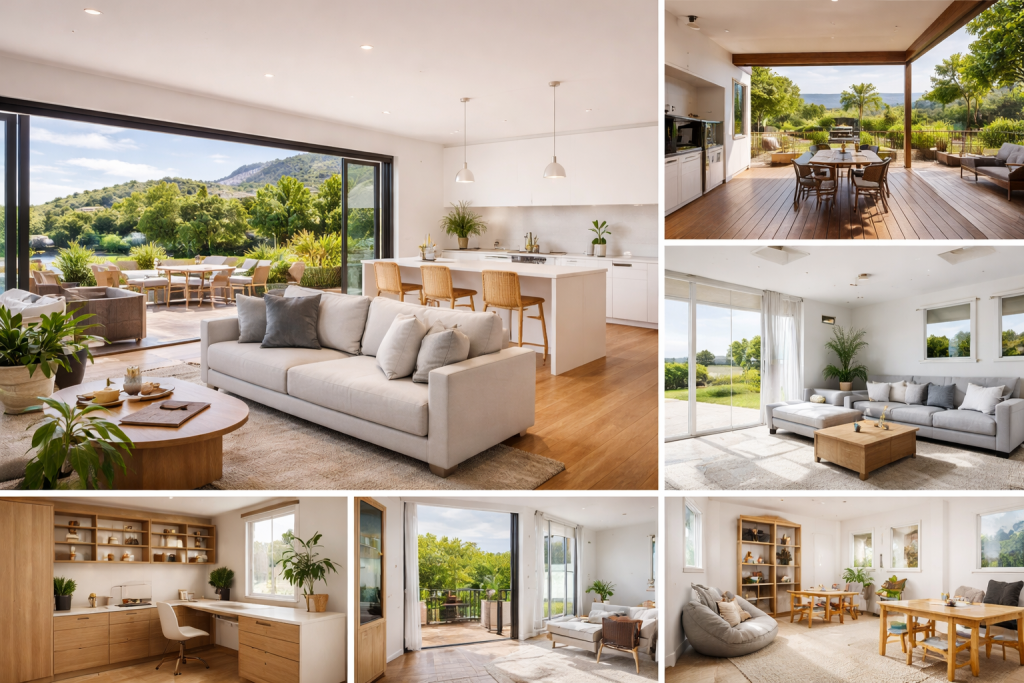
Many homes across Mornington Peninsula and Mount Eliza were built decades ago with segmented layouts, smaller rooms, and limited connection between living spaces. While these layouts suited older lifestyles, modern families often prefer open, flexible environments that support entertaining, remote work, and family living. Well-planned single storey house renovations in Mornington Peninsula can dramatically improve how a home feels and functions without necessarily increasing the footprint. Even modest layout adjustments can make a home feel significantly larger and more comfortable. Many homeowners explore layout redesigns when planning👉 https://alternatevision.com.au/single-storey-house-renovations/ Create Open-Plan Living Spaces One of the most popular renovation changes is removing internal walls to create open-plan living areas that connect the kitchen, dining, and lounge. Benefits include: For example, many 1980s homes in Mount Eliza have kitchens isolated from living areas. Removing the wall between these rooms can create a spacious modern family hub. Typical costs for wall removal: Type of Wall Estimated Cost Non-structural wall removal $3,000 – $8,000 Structural wall removal with beam installation $10,000 – $30,000 These changes are among the most impactful upgrades in single storey house renovations because they improve both usability and property value. Relocate Kitchens for Better Flow Older homes often position the kitchen at the back or in isolated corners of the house. Moving the kitchen to a more central location can transform how the home functions. A well-positioned kitchen can connect: Typical kitchen relocation costs: Kitchen Upgrade Type Estimated Cost Basic kitchen renovation $25,000 – $40,000 Mid-range kitchen renovation $40,000 – $70,000 High-end kitchen renovation $70,000 – $120,000+ Across the Mornington Peninsula lifestyle market, large kitchen islands and open dining spaces are particularly desirable features for families and entertainers. Improve Indoor–Outdoor Living Homes in coastal regions such as the Mornington Peninsula often benefit greatly from stronger connections between indoor living areas and outdoor entertaining spaces. Popular renovation upgrades include: Typical outdoor living costs include: Upgrade Estimated Cost Timber deck installation $8,000 – $30,000 Outdoor entertaining area $15,000 – $50,000 Large sliding doors $4,000 – $12,000 These upgrades expand usable living space while taking advantage of the peninsula’s outdoor lifestyle. Introduce Zoned Living Spaces Modern families often benefit from having separate zones within the home. Examples include: For example, converting a rarely used formal living room into a home office or study zone can add significant functionality to a single storey home. Many homeowners incorporate these zoning strategies when planning single storey house renovations designed to improve family living and flexibility. Transform the Way Your Home Works Improving the layout of a home can dramatically change how it feels and functions every day. If you’re exploring single storey house renovations in Mornington Peninsula or Mount Eliza, professional renovation planning can help maximise space, flow, and comfort. 👉 https://alternatevision.com.au/single-storey-house-renovations/
How Long Does a Double Storey Extension Take?
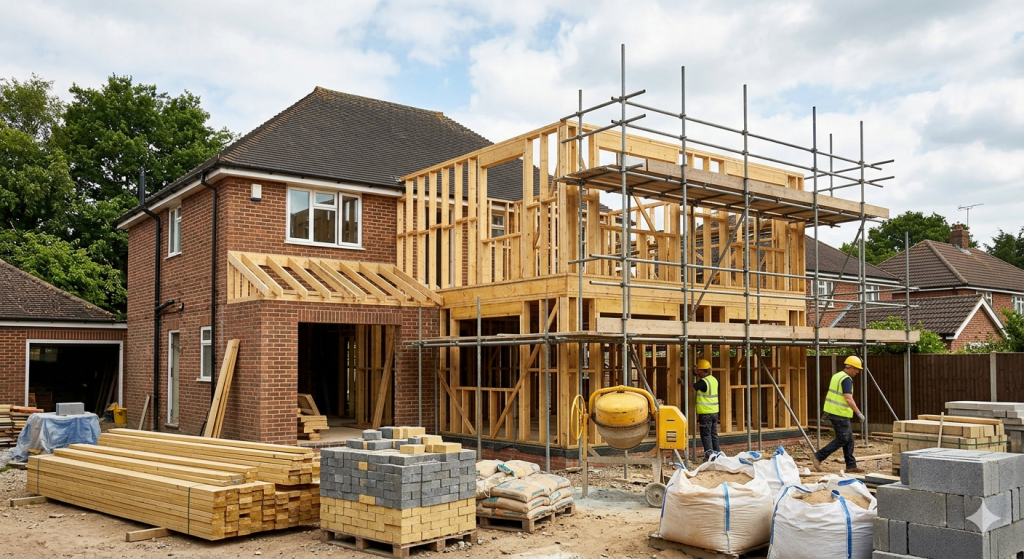
Homeowners across Mornington Peninsula and Mount Eliza often ask how long renovation projects take before deciding to proceed. The timeline for double storey house extensions depends on several stages including design, approvals, and construction. While every project is different, understanding the typical timeline helps homeowners plan more effectively. Planning and Design Stage Before construction begins, a detailed planning phase is required. This stage typically includes: For most projects, the design and planning phase takes approximately: 6–12 weeks More complex architectural projects may take longer, particularly if multiple design revisions are required. Council Approvals Depending on the project, building permits and planning permits may be required before construction begins. Approval timelines vary depending on the project and council workload. Typical timeframes may include: Approval Type Typical Timeline Building Permit 2–4 weeks Planning Permit (if required) 4–12 weeks Some projects in the Mornington Peninsula Shire may also require additional assessments if planning overlays apply. Construction Timeline Once permits are approved and construction begins, the build process typically takes several months. Typical construction stages include: 1. Site preparation 2. Structural framing 3. Roofing and exterior works 4. Interior construction 5. Finishing and fit-out For most projects, the construction stage typically lasts: 16–26 weeks (4–6 months) More complex renovations or larger second storey additions may take longer. Total Project Timeline When combining all stages, a typical double storey extension timeline may look like this: Stage Estimated Duration Design & planning 6–12 weeks Approvals 2–12 weeks Construction 16–26 weeks Total timeline: 6–9 months on average Projects involving extensive structural upgrades or architectural complexity may extend beyond this timeframe. Planning for a Smooth Renovation Working with experienced professionals can significantly reduce delays and help ensure the project runs efficiently. Experienced builders and designers help manage: This ensures double storey house extensions progress smoothly from concept to completion. Start Planning Your Extension If you’re planning double storey house extensions in Mornington Peninsula or Mount Eliza, explore renovation solutions designed to deliver a smooth construction process. 👉 https://alternatevision.com.au/double-storey-house-extensions/
Renovate or Rebuild? What’s Best for Homes in Mornington Peninsula

Many homeowners across Mornington Peninsula and Mount Eliza eventually face an important decision: renovate the existing home or rebuild entirely. For many properties, single storey house renovations offer a practical way to modernise a home without leaving a great location. However, the right choice depends on the condition of the home, renovation goals, and overall budget. When Renovating Makes Sense Renovation is often the best option when: Across established Mornington Peninsula suburbs, many homes built in the 1970s–1990s have solid construction but outdated layouts. Renovating these homes can often deliver dramatic improvements at a lower cost than rebuilding. Typical renovation projects may cost: $150,000 – $400,000 depending on scope. When Rebuilding May Be Better Rebuilding may be considered when: A complete rebuild typically costs: $2,500 – $4,500+ per m² For example: Rebuilding also requires: Renovations Offer Greater Flexibility Many homeowners choose single storey house renovations because they allow gradual improvements without completely starting over. Renovations can: This approach often delivers strong lifestyle improvements while remaining more cost-effective than rebuilding. Choosing the Right Option Every property is different, so professional advice can help determine the best solution. If you’re considering single storey house renovations in Mornington Peninsula or Mount Eliza, explore renovation options designed to transform your existing home. 👉 https://alternatevision.com.au/single-storey-house-renovations/
How Much Do Single Storey House Renovations Cost in Mornington Peninsula?

For many homeowners across Mornington Peninsula and Mount Eliza, understanding renovation costs is one of the first steps before starting a project. The cost of single storey house renovations can vary significantly depending on the size of the renovation, structural changes required, and the quality of materials and finishes selected. Typical Renovation Cost Ranges In Victoria, renovation projects are often estimated using cost per square metre. Typical cost ranges include: Renovation Type Typical Cost Range Cosmetic renovation $1,200 – $2,000 per m² Mid-range renovation $2,000 – $3,500 per m² Architectural renovation $3,500 – $5,000+ per m² For example: Actual costs depend heavily on project scope and structural requirements. Factors That Influence Renovation Costs Several factors affect the overall renovation budget. These include: Older homes across Mount Eliza and surrounding suburbs may also require upgrades such as: These updates can add $10,000 – $40,000 depending on the condition of the home. Layout Changes and Structural Work One of the most impactful upgrades in modern renovations is improving layout. Removing internal walls to create open-plan living areas can cost: $5,000 – $20,000+ depending on structural requirements. However, these changes often dramatically improve how a home functions. Many homeowners find that single storey house renovations that improve layout, natural light, and functionality significantly increase long-term property value. Budget Planning Tips When planning a renovation budget, it is helpful to allow for additional project costs such as: A detailed design and concept plan usually provides the most accurate project pricing. Invest in Your Home’s Future A well-planned renovation can dramatically improve both lifestyle and property value. If you’re considering single storey house renovations in Mornington Peninsula or Mount Eliza, explore renovation solutions designed for modern living. 👉 https://alternatevision.com.au/single-storey-house-renovations/
Do You Need Council Approval for a Single Storey Renovation in Mornington Peninsula?
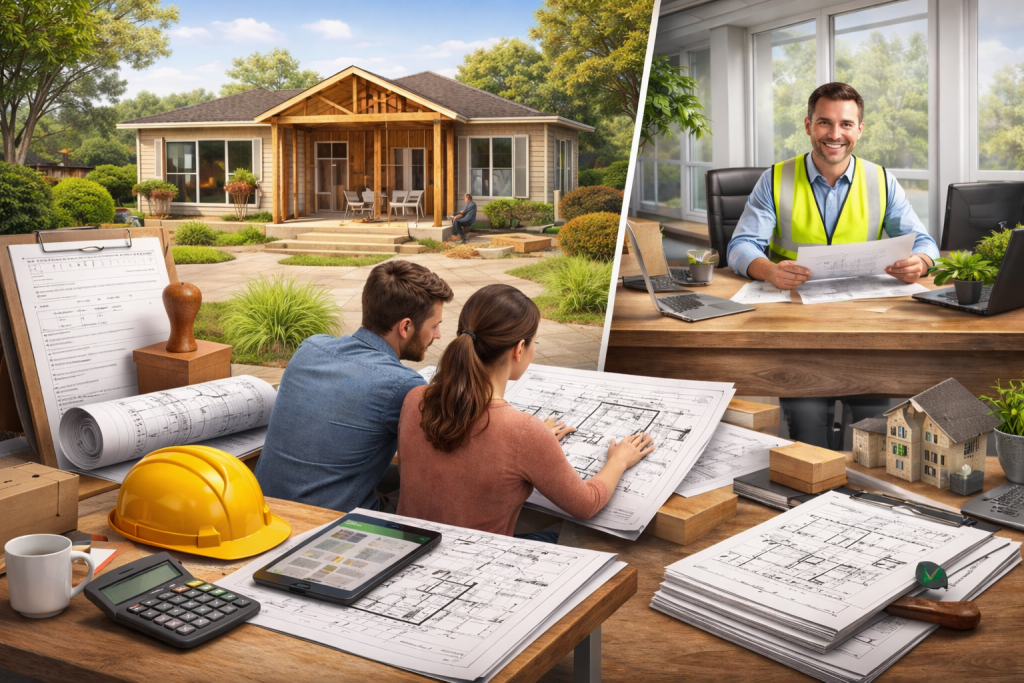
Many homeowners across Mornington Peninsula and Mount Eliza begin renovation projects without fully understanding the approval requirements involved. While some cosmetic upgrades can be completed without permits, many single storey house renovations require council or building approvals. Understanding the approval process early can help prevent costly delays and ensure your renovation proceeds smoothly. When Renovations Require Approval In Victoria, a building permit is usually required when renovations involve structural changes or modifications that affect the safety or integrity of the home. Typical renovation work requiring a building permit includes: For example, removing a structural wall to create an open-plan living area may require engineering drawings and building approval before work begins. Permit costs for residential renovation projects typically range from: $1,500 – $5,000 depending on project size and complexity. Planning Permits vs Building Permits Homeowners are often confused by the difference between planning permits and building permits. Planning Permit Issued by the local council when a renovation must comply with planning regulations. Planning permits may be required if the property is affected by: Planning permits may take 4–12 weeks or longer depending on council assessment requirements. Building Permit A building permit confirms the construction complies with Victorian Building Regulations and safety standards. Building permits are issued by a registered building surveyor and typically require: Approval generally takes 1–4 weeks once documentation is complete. Local Planning Considerations Some properties across the Mornington Peninsula may also be affected by additional planning controls. Examples include: Homes closer to the coast or within environmentally sensitive areas may require additional design considerations. Because of this, many homeowners work with experienced professionals when undertaking single storey house renovations to ensure designs comply with council regulations before construction begins. Renovate With Confidence Understanding the approval process early can prevent delays and help ensure your renovation runs smoothly. If you’re planning single storey house renovations in Mornington Peninsula or Mount Eliza, explore professional renovation services and expert guidance. 👉 https://alternatevision.com.au/single-storey-house-renovations/
Should You Move or Extend Your Home in Mornington Peninsula?

Many homeowners reach a point where their house no longer meets their needs. The big question becomes: should you move or extend your home? Across the Mornington Peninsula, more families are choosing to extend rather than relocate. The process allows them to gain the space they need without leaving their community. For those exploring options, understanding the benefits of home extensions and renovations in Mornington Peninsula can help clarify which path is right for your family. The Cost of Moving vs Extending Moving house involves significant costs beyond just purchasing a new property. Typical expenses include: When these costs are combined, many homeowners find that extending their existing home provides better value. Why Families Choose to Extend There are several reasons homeowners decide to extend their homes rather than move. Stay in the Neighbourhood You Love Mornington Peninsula suburbs offer strong community connections, established schools, and proximity to beaches and lifestyle amenities. Moving often means leaving these behind. Create a Home Designed for Your Lifestyle Extending allows homeowners to design spaces that match their needs. Common additions include: Increase Property Value A well-designed extension can significantly increase the value of your property, particularly when adding extra bedrooms, bathrooms, or modern living spaces. Homeowners who invest in thoughtful renovations often improve both lifestyle and long-term equity. Many projects involve transforming older homes through carefully planned home renovations and extensions that improve space, flow, and natural light. When Moving Might Be the Better Option In some cases, relocating may still make sense. This might apply if: However, for many established properties in Mornington Peninsula and Mount Eliza, extending remains the preferred solution. Considering a Home Extension? If your family needs more space but loves the current location, a home extension may be the ideal solution. Discuss your options with experienced professionals specialising in home renovations and extensions in Mornington Peninsula. 👉 https://alternatevision.com.au/home-renovations/
How to Plan a Double Storey House Extension

Planning is one of the most important stages of any renovation project. Many homeowners across Mornington Peninsula and Mount Eliza begin researching double storey house extensions when they need additional space but want to stay in their current home. A well-planned extension ensures the project runs smoothly and delivers the desired results. Define Your Goals The first step in planning a second storey extension is identifying what you want to achieve. Common goals include: Understanding your priorities helps guide design decisions. Assess the Existing Structure Not all homes are automatically suitable for second storey additions. An initial structural assessment determines whether the existing foundations and framework can support an additional level. Many homeowners begin exploring double storey house extensions after discovering their home can be adapted to support a second level. Consider Layout and Design Second storey extensions should integrate naturally with the existing home. Design considerations often include: A well-designed extension should feel like part of the original home rather than an obvious addition. Understand Permits and Regulations Most second storey extensions require council approval and must comply with building regulations. Planning professionals can manage: This ensures the renovation progresses smoothly. Begin Planning Your Extension With the right design and planning process, a second storey extension can transform your home. If you’re considering double storey house extensions in Mornington Peninsula or Mount Eliza, explore professional renovation solutions tailored to your property. 👉 https://alternatevision.com.au/double-storey-house-extensions/
How to Plan a Single Storey Home Renovation in Mornington Peninsula
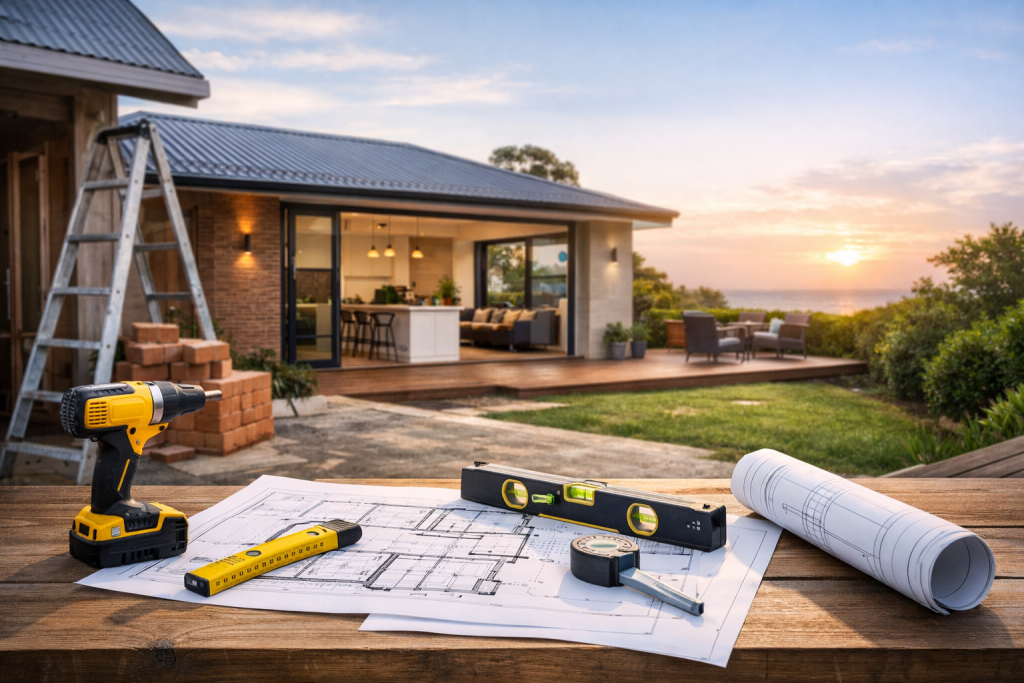
Many homeowners across Mornington Peninsula and Mount Eliza choose to renovate rather than relocate when their homes no longer suit their lifestyle. Renovating allows families to stay close to schools, beaches, and established communities while transforming older homes into modern living spaces. With the right planning, single storey house renovations can dramatically improve layout, comfort, and property value. Careful preparation helps ensure your renovation runs smoothly and avoids unnecessary delays or budget surprises. Define Your Renovation Goals The first step in planning any renovation is clearly defining what you want to achieve. Common renovation goals for homeowners across the Mornington Peninsula include: For example, many homes built in the 1970s–1990s across Mount Eliza and surrounding suburbs were designed with smaller, enclosed rooms. Opening up these spaces can dramatically change how the home feels and functions. A renovation that removes walls between the kitchen and living area may cost $15,000–$40,000, depending on structural requirements, but it can completely transform the usability of the home. Clearly defined renovation goals also help guide design decisions and budgeting throughout the project. Assess Your Existing Layout Many homes across the Mornington Peninsula were originally designed with segmented floor plans, narrow hallways, and limited connection between indoor and outdoor spaces. A professional layout assessment can identify opportunities to: For example, relocating a kitchen to create an open-plan layout may cost $25,000–$60,000, depending on plumbing relocation and cabinetry choices. Many homeowners explore these changes when planning single storey house renovations designed to improve everyday functionality and modern family living. Establish a Realistic Budget Renovation costs vary significantly depending on project scope and design complexity.In Victoria, single storey house renovations typically cost between: Renovation Type Typical Cost Range Cosmetic renovation $1,200 – $2,000 per m² Mid-range renovation $2,000 – $3,500 per m² High-end architectural renovation $3,500 – $5,000+ per m² For example: Older homes across Mount Eliza and surrounding areas may also require: Because of this, renovation budgets should include a 10–20% contingency allowance for unexpected issues discovered during construction. Understand Permits and Regulations Most structural renovations in Victoria require building permits and must comply with Victorian Building Regulations. Permits are typically required when renovations involve: Depending on the property, planning permits may also be required. Across the Mornington Peninsula, some properties are affected by: Approval timelines typically include: Stage Typical Timeline Design development 4–8 weeks Permit approvals 2–10 weeks Construction 3–6 months Working with experienced renovation professionals helps ensure: Consider Long-Term Value Renovations that improve layout, natural light, and functionality can significantly increase property value. Across the Mornington Peninsula property market, homes with modern open-plan layouts and updated interiors often achieve stronger resale prices. For example: Many homeowners choose single storey house renovations as a long-term investment that improves both lifestyle and property value. Start Planning Your Renovation A well-planned renovation can dramatically improve how your home looks, feels, and functions. If you’re considering single storey house renovations in Mornington Peninsula or Mount Eliza, explore professional renovation services designed to transform older homes into modern living spaces. 👉 https://alternatevision.com.au/single-storey-house-renovations/
How Much Does a Home Extension Cost in Mornington Peninsula?
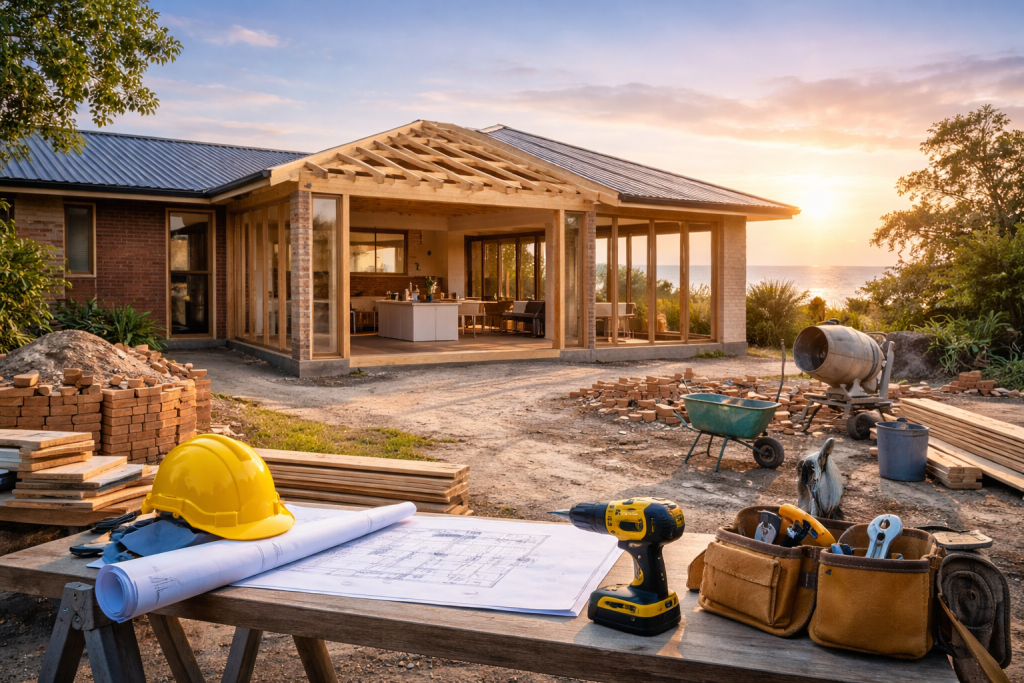
When homeowners start researching home extensions in Mornington Peninsula, one of the first questions they ask is: how much will it cost? The answer depends on several factors including the size of the extension, materials used, site conditions, and the complexity of the design. Many families exploring a renovation begin by understanding what a realistic budget looks like before moving forward with planning. If you’re considering expanding your home, it’s worth exploring your options for custom home renovations and extensions in Mornington Peninsula. Average Cost of a Home Extension in Mornington Peninsula In Victoria, the cost of a home extension generally ranges between: For example: Extension Type Approx Cost Small extension (20–40m²) $80k – $180k Medium extension (40–80m²) $180k – $350k Large extension (80m²+) $350k+ Factors That Affect Extension Costs Several elements influence the final price of a project. Size of the Extension Naturally, larger extensions require more materials, labour, and structural work. Site Conditions Sloping blocks, limited access, or soil conditions common across coastal areas of Mornington Peninsula can impact construction costs. Design Complexity Open-plan living areas, structural steel beams, or large glass openings often increase costs but dramatically improve the final result. Materials and Finishes High-end kitchens, custom joinery, stone benchtops, and premium flooring will increase overall investment. When planning a project, working with experienced designers and builders ensures the design aligns with your budget while still achieving the desired lifestyle improvements. If you’re exploring options for extending your home instead of moving, understanding your renovation scope early can help determine the most efficient approach. Is Extending Cheaper Than Moving? For many families, extending their home is significantly more cost-effective than relocating. Moving house often involves: Extending allows homeowners to remain in the neighbourhood they love while tailoring the property to suit their lifestyle. Get Expert Advice on Your Extension Budget Every property is different, which is why accurate pricing always starts with understanding the home, site, and design goals. If you’re considering expanding your living space, speak with specialists in home renovations and extensions in Mornington Peninsula who can help guide the planning process and provide realistic cost expectations. 👉 https://alternatevision.com.au/home-renovations/

